Good leadership isn't about knowing every employment law. It's about having the confidence to manage people well, knowing when to ask for support and having the right foundations in place.
When people management gets uncomfortable
Think about the last time you had a people issue in your business.
Perhaps someone wasn't performing as expected. Maybe there was tension between colleagues, an increase in sickness absence, or a manager who knew a difficult conversation needed to happen but kept putting it off.
What happened next?
Did the manager feel confident enough to address it? Or did they immediately turn to HR, hoping someone else would tell them what to say, or even have the conversation for them?
Don't get us wrong. HR has an important role to play. But we believe the best HR support doesn't create dependency. It builds capability.
Have we made people management too complicated?
Managing people isn't always easy. In fact, it's probably one of the most challenging parts of running a business.
People are wonderfully complicated. They have different motivations, expectations, experiences and challenges. And when you add business pressures, deadlines and the occasional uncomfortable conversation, it's understandable that managers sometimes feel out of their depth.
But somewhere along the way, we've started treating everyday people management as something that always needs HR involvement.
An employee is underperforming? Call HR.
Someone has an attitude problem? Call HR.
A difficult conversation needs to happen? Better check with HR first.
Of course, some situations absolutely need specialist advice. But not every conversation should require an HR professional sitting beside the manager.
Managers need the confidence to set expectations, give feedback, listen, challenge appropriately and address concerns before they become bigger problems.
And that confidence doesn't appear simply because someone has been given a management title.
It needs to be developed.
Employment law is changing. Are your managers ready?
The Employment Rights Act 2025 is bringing significant changes to UK workplaces, with reforms being introduced throughout 2026 and 2027.
We've already seen changes to Statutory Sick Pay, paternity leave and unpaid parental leave. Further changes include strengthened duties around preventing sexual harassment, alongside significant unfair dismissal reforms taking effect in January 2027.
For businesses, particularly smaller organisations without dedicated internal HR teams, there's a lot to think about and updating your policies is only half the job
You can have a beautifully written absence policy, but if your managers don't know how to have a supportive return-to-work conversation, what difference does it really make?
You can introduce a robust probation process, but if nobody is setting clear expectations or giving honest feedback, the paperwork won't solve the underlying problem.
And you can have a comprehensive anti-harassment policy, but if inappropriate behaviour is ignored or managers don't know how to respond to concerns, the policy alone won't create a respectful workplace.
Compliance matters. Absolutely. But compliance without capable management leaves businesses exposed, and employees unsupported.
Culture is built in everyday moments
We often talk about workplace culture as though it's something created through values statements, away days or an annual employee survey.
Those things can have their place. But culture is also created in the smaller, everyday moments.
It's how a manager responds when someone makes a mistake. Whether they notice when a colleague is struggling. How they handle disagreement. Whether they follow through on commitments. And whether people feel comfortable speaking up when something isn't right.
Those interactions shape how people experience work. Small conversations equal big consequences The conversations managers have, or avoid having, can make a real difference.
An issue addressed early might take ten minutes to resolve. Left unaddressed, it can become a much bigger problem involving relationships, performance, absence or formal procedures.
That's why we believe developing capable managers is one of the most valuable investments a business can make.
So, what should HR actually be doing?
At Think Smart People, we don't believe HR should be there to take people management away from managers or business owners.
Our role is to help them do it well. That means putting the right foundations in place: clear contracts, practical policies, fair processes and guidance that people can actually understand and use.
These foundations give managers clarity about their responsibilities and help businesses take a consistent, fair approach to managing people. Developing confident, capable managers
It also means building confidence through leadership development, coaching and practical support.
Sometimes that's helping a manager prepare for their first difficult conversation. Sometimes it's challenging a business owner to think differently about how they're leading their team. And sometimes it's stepping in with specialist advice when a situation becomes more complex.
The goal isn't to make ourselves indispensable to every conversation. It's to help businesses develop the confidence and capability to manage more effectively, while knowing they've got experienced HR support behind them when they need it.
Because good HR isn't just about protecting a business when something goes wrong. It's about helping create the conditions where people, managers and businesses can thrive.
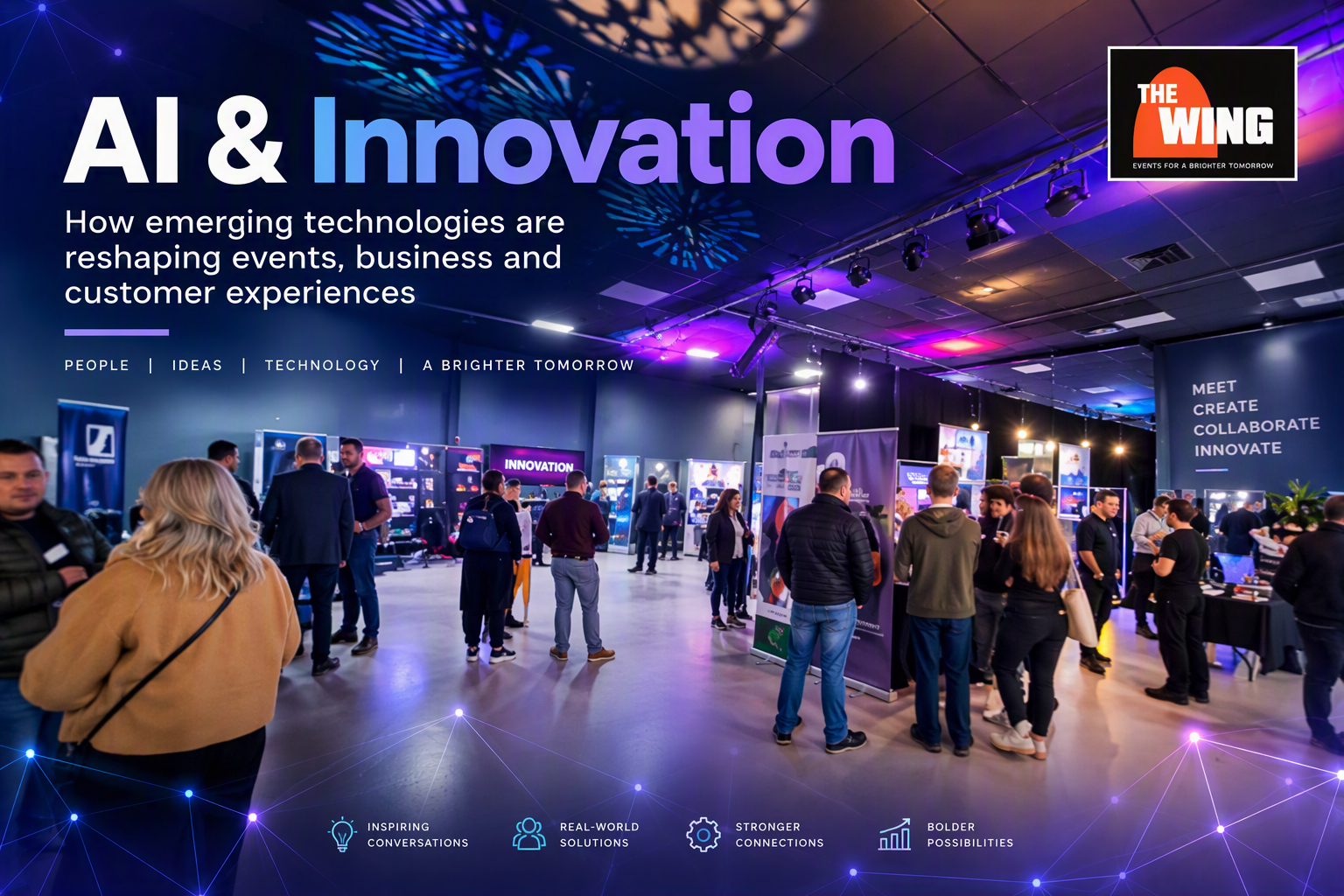
Come and have a chat with Think Smart People at the expo. We'd love to hear what's happening in your business.