November 4, 2026

The desk job is changing, and small businesses should get there first
For two generations the advice in Britain was pretty simple: get the grades, get the degree and get a desk. We became a services economy, with a lot of that work being what quietly keeps businesses running, whether that’s answering the phone, chasing quotes, booking jobs in or making sure the right information reaches the right person at the right time.
I run a company that builds AI, so I’ll say plainly what a lot of people in my position only say quietly. A big share of that work is about to change, probably sooner than most of the reports suggest, because I see what these systems can do every day and they’re improving faster than most people outside the industry realise.
I don’t mean that as a warning. It’s more a description of what’s already happening, so I’d rather we met it with our eyes open than pretended it wasn’t coming.
Why small businesses should care first
Most of the conversation about AI is about big companies, the banks, insurers and law firms with innovation teams and seven-figure budgets, but I think the more interesting story is happening at the other end of the scale.
If you run a business with five or fifteen people, you’ll know the problem already. You’re handling every call, every enquiry and every quote, usually while trying to do the actual job. Calls come in while you’re on site and enquiries land at nine at night, while someone else rings, gets your voicemail and simply tries the next name on Google instead. That isn’t a guess, either: a YouGov survey this summer found that more than a third of people will call a competitor if nobody picks up within a minute, while only 6% will bother leaving a voicemail. You can’t justify another full-time hire to fix it, so the work just leaks away.
That’s exactly the kind of work AI has become good at. Taking on another member of staff costs £30,000 or more a year once you’ve added National Insurance and pension, whereas AI can answer the phone, take the details and pass them on at any hour of the day. The calls you’d have missed get picked up, and the people you already have get some of their time back.
The technology isn’t standing still, either. Each year it gets noticeably better at reasoning, at working with other tools and at keeping track of longer tasks, to the point where something that looked like a clever demo two years ago is now answering phones for small businesses up and down the country. My guess is that the first business in each town to work this way will pick up the calls everyone else misses, with the rest following soon after.
Why this might be good news
This is the contrarian bit, but I genuinely believe it. Nobody starts a business because they want to sit on hold or type up the same quote three times. Those jobs matter, of course, yet they’re rarely the reason anyone loves what they do. If AI can take on the repetitive part, people get time back for the work that actually needs judgement, care and a human voice: looking after customers, solving problems and growing the business.
Think about what changes when that kind of help costs very little. Every call gets answered, every customer gets heard and the sort of support that only bigger firms could once afford becomes available to everyone.
There’s a bigger picture too. Before 2008, UK productivity grew by about 2% a year, but in the decade that followed it managed just 0.3%, which sits behind a lot of the problems we argue about. I think AI is the first credible chance in a generation to fix it, with plenty of that gain sitting in small businesses rather than just the FTSE 100.
Build it here
If this is going to happen, I’d rather we owned the technology than rented it, with British companies building the AI that British businesses run on. If all the gains flow to a handful of firms in San Francisco, we’ll get the disruption without any of the upside. That’s why we build DeepBlue OS in Bristol, with our own engineering team and backing from UK investors.
I also think we owe people some honesty. AI won’t fix a bad business, not every task should be handed over and some conversations should always be with a person. But the way we work is changing whether we like it or not, so we may as well build what replaces it on purpose and make it better than what came before.
Come and see for yourself
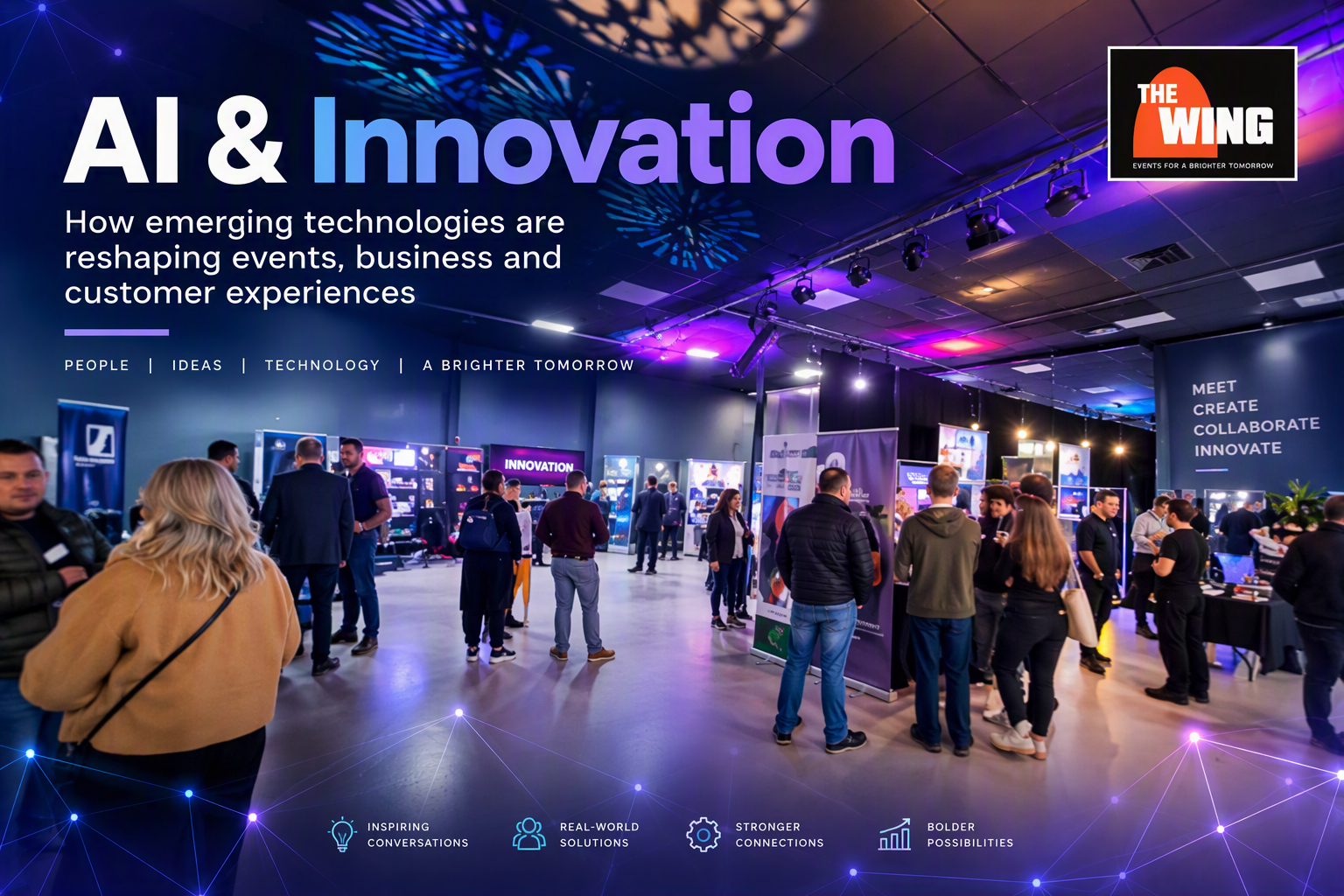
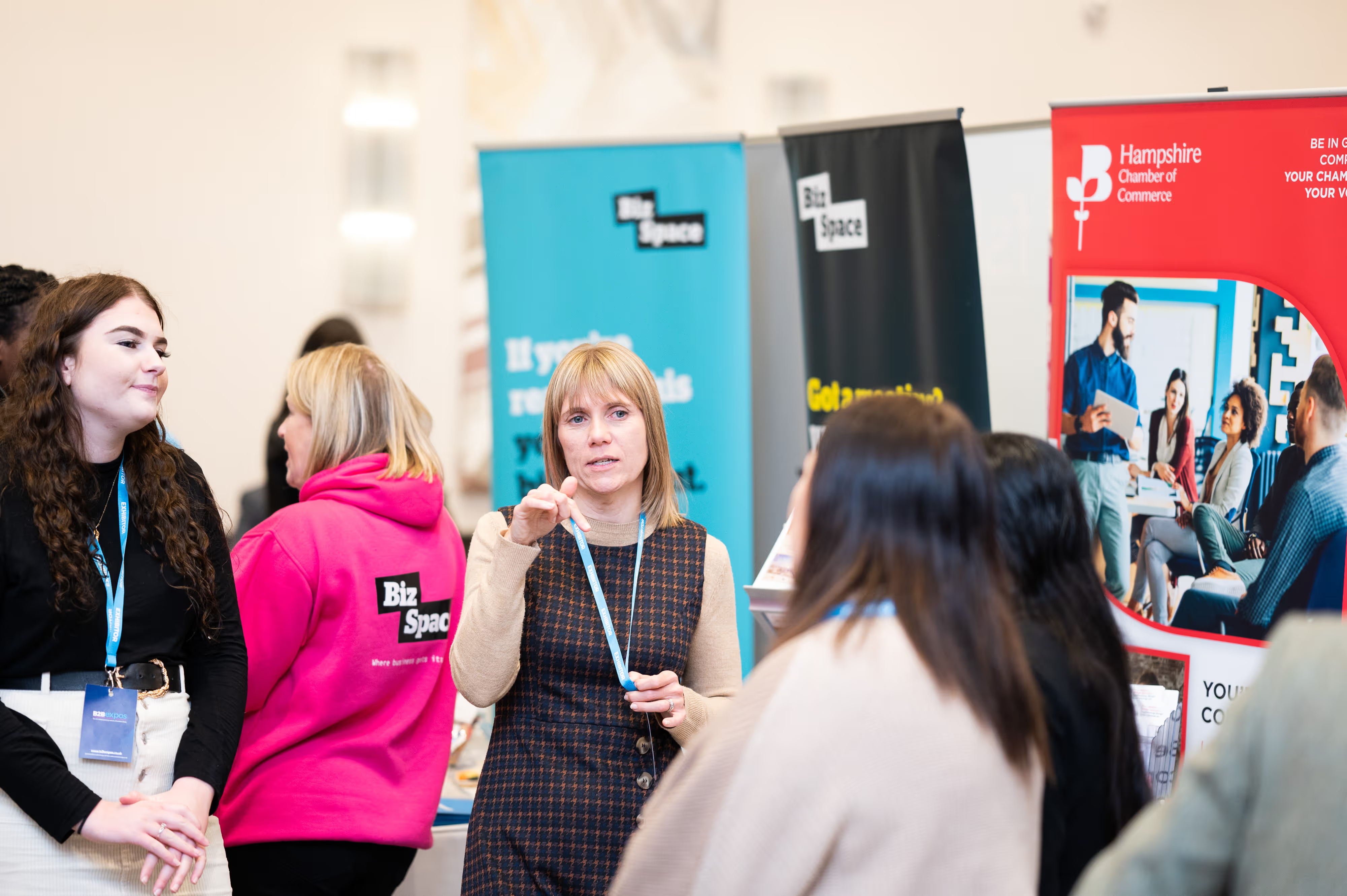
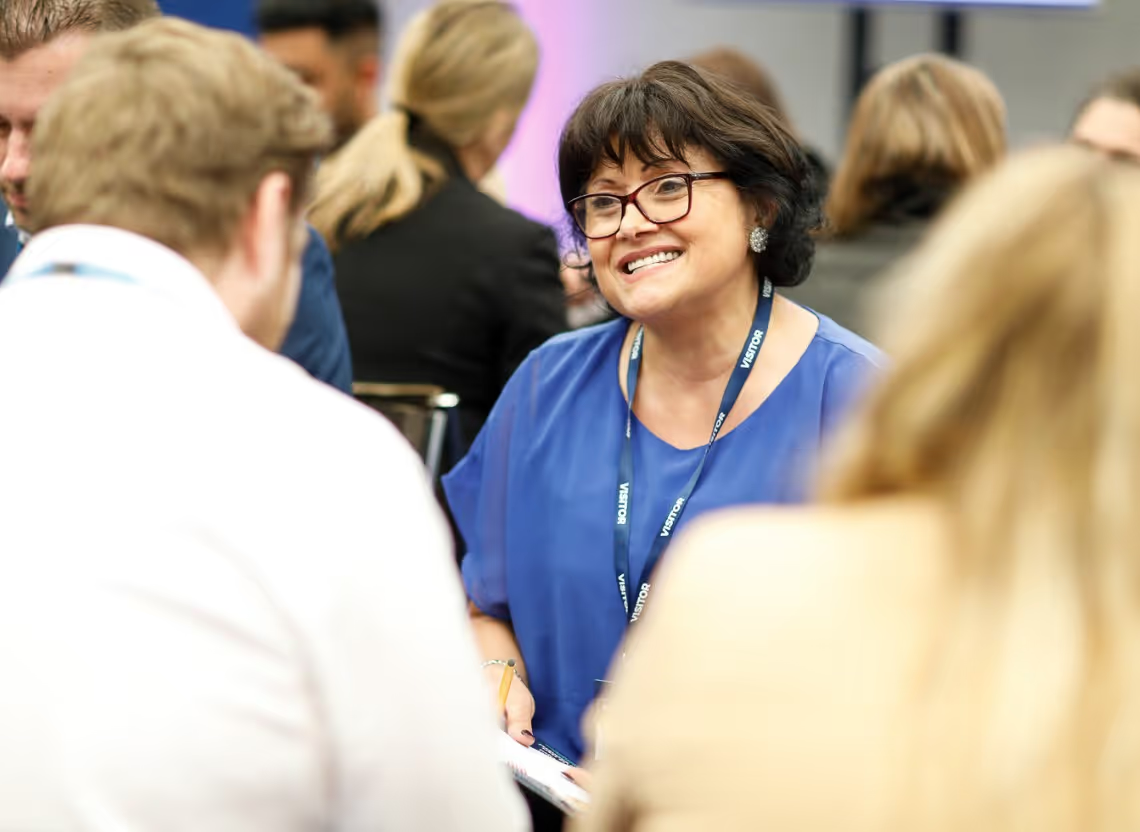
We’re at B2BX on Thursday 12 November on stand 31. There won’t be any slides or hard sell, so bring the questions you actually have about AI, or just tell us how your phones and enquiries work today. We’ll show you what it would do with them and, if it isn’t a fit, we’ll tell you that too.
Let AI take the repetitive work off your plate, then get back to running your business.