November 10, 2026

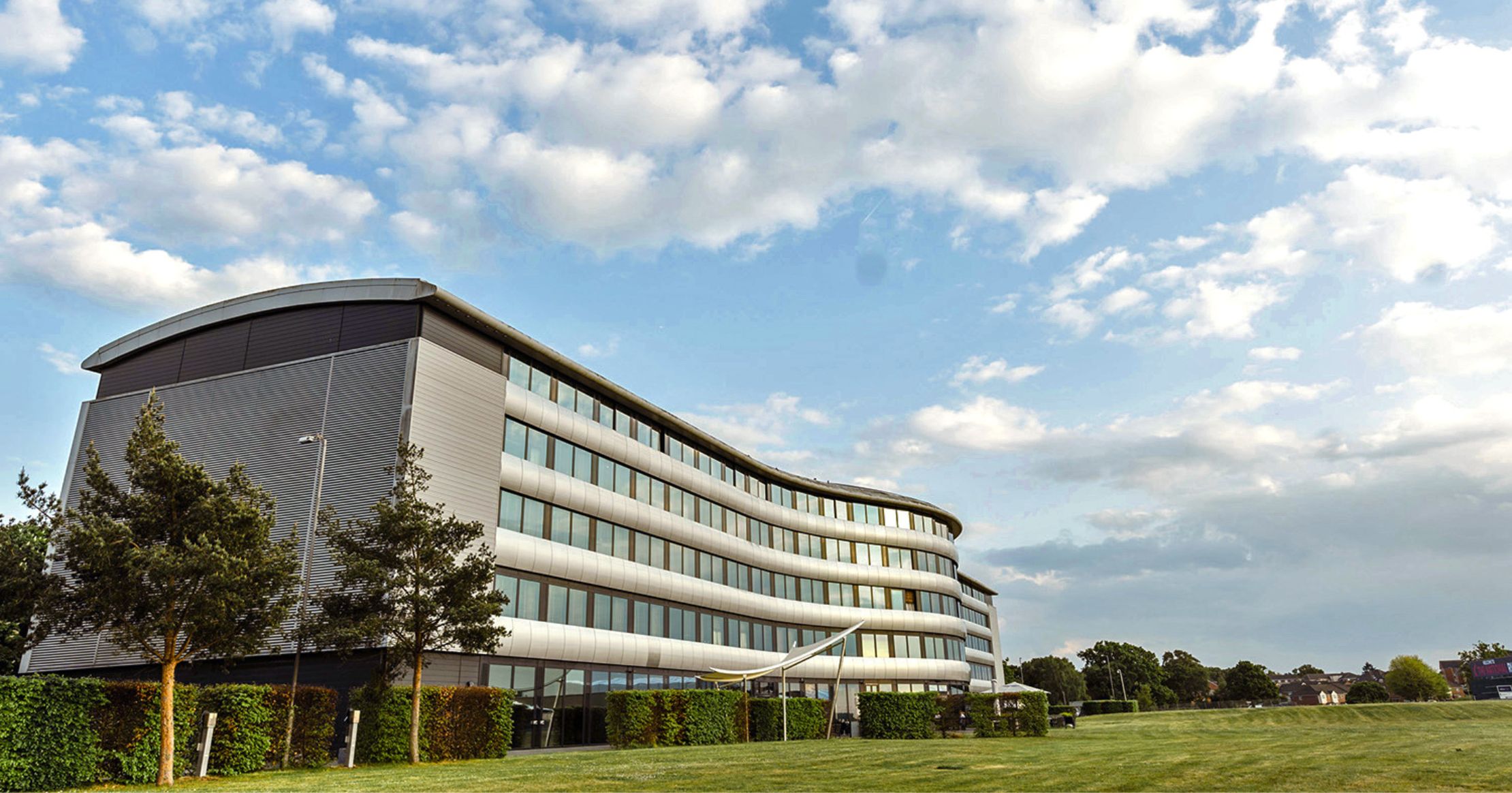
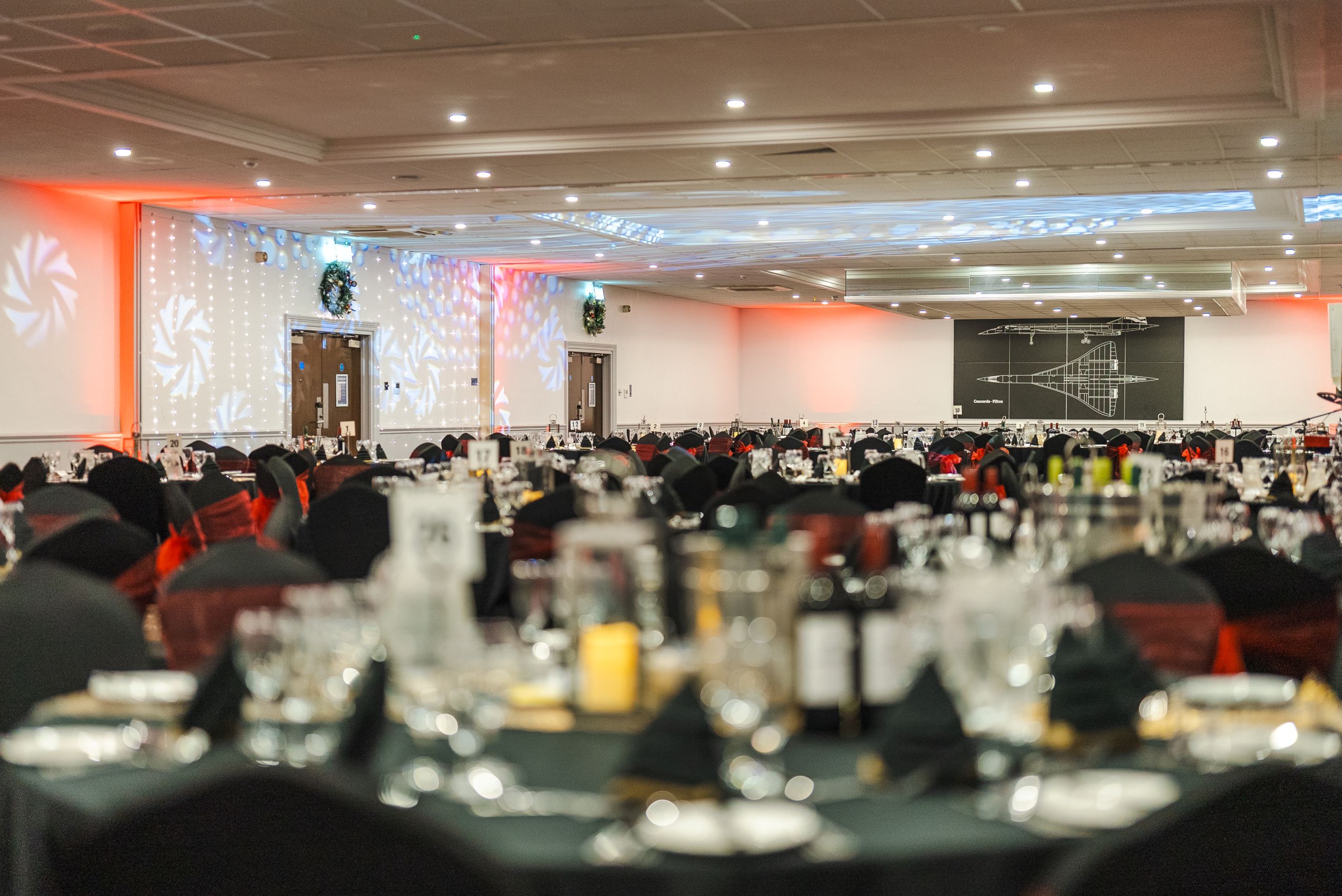
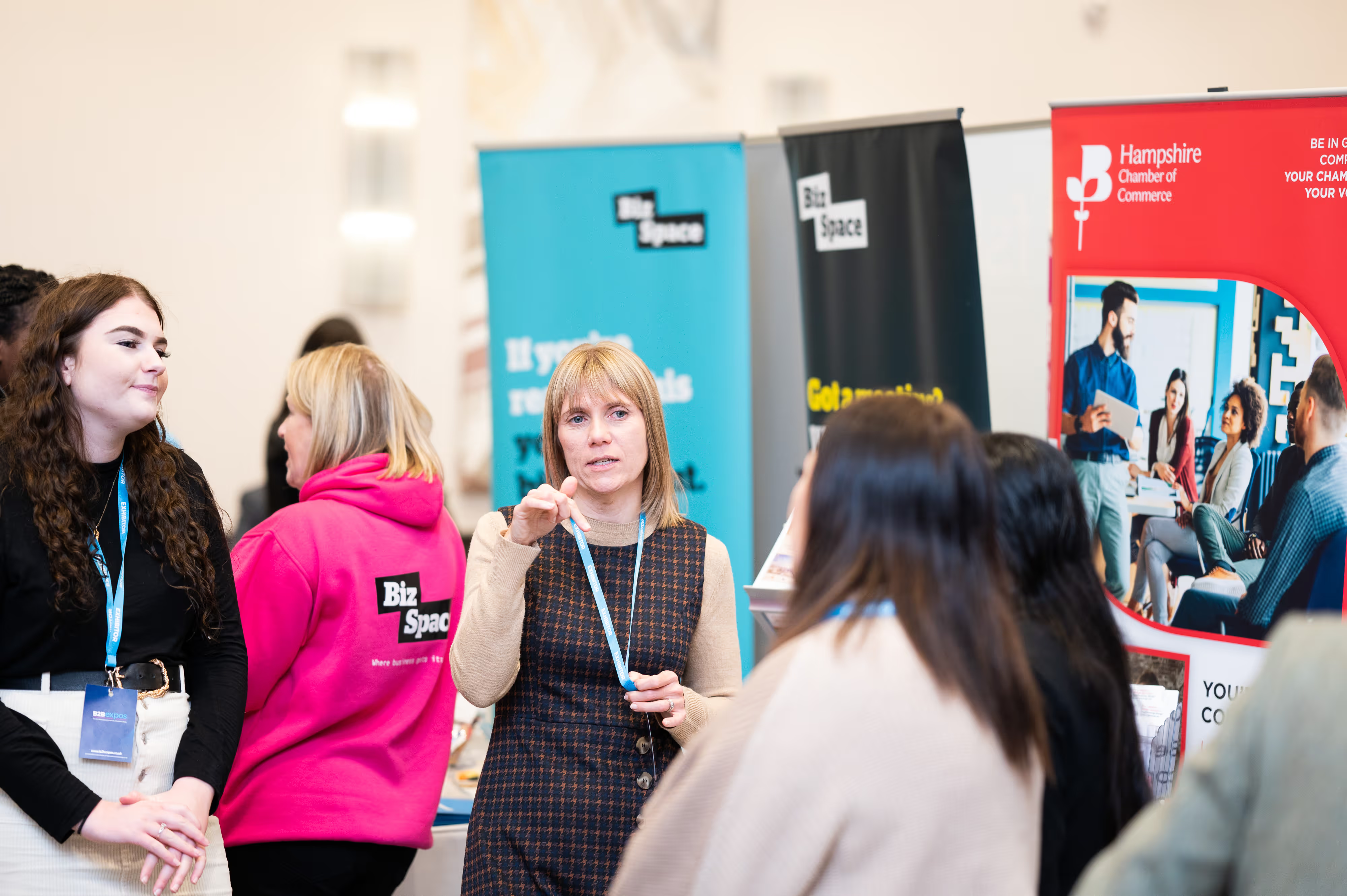
Flying Colours Advice is exhibiting at B2B Expos in Farnborough on Thursday 19 November and Southampton on Thursday 26 November. Ahead of both events, our Founder Guy Myles looks at a question many business owners put off: what happens to your retirement if the business is the plan?
Ask most business owners about their retirement plan and the answer is usually the business itself. The long hours, reinvested profit and calculated risks are meant to pay off when the company is eventually sold.
That's a reasonable ambition. As a plan, it carries more risk than many owners realise.
Department for Work and Pensions figures show just 21% of self-employed people pay into a pension, compared with 80% of employees https://www.gov.uk/government/statistics/family-resources-survey-financial-year-2024-to-2025/family-resources-survey-financial-year-2024-to-2025. Without automatic enrolment, many owners may reach later life with much of their wealth tied up in a single company.
A valuation isn't income
A business can be valuable on paper and still fall short as a source of retirement income. What a buyer actually pays depends on profitability, growth prospects, market conditions and how heavily the business relies on you.
If key client relationships, decisions and specialist knowledge all sit with the founder, buyers see risk and price it in. A downturn in your sector can also change the price, or the timing, of a sale.
Research from Direct Line found that 14% of small business owners and sole traders expect to keep running their business after drawing their pension because they can't afford to retire fully (https://www.aviva.com/newsroom/news-and-research-overview/news-releases/2025/01/13012025/). That's an estimated 740,000 people.
The answer isn't to stop investing in your company. It's to make sure one asset isn't carrying your whole future.
Know your number before your price
Before asking what the business is worth, work out what you need the proceeds to do.
The Pensions UK Retirement Living Standards put a comfortable retirement at around £45,400 a year for a single person and £62,700 for a two-person household (https://retirementlivingstandards.org.uk/news/2026-rls-update). These are benchmarks, not savings targets.
Your own figure depends on the life you want to lead. Do you want to travel regularly? Help children onto the property ladder? Move home, or move abroad? Keep working because you enjoy it, rather than because you need the income?
Each answer changes the amount you'll need. Working back from the lifestyle you want turns ""What is my business worth?"" into a more useful question: ""Will that be enough?""
Build wealth outside the business
Reinvesting comes naturally to business owners. New staff, equipment and technology tend to feel more pressing than a retirement that may be decades away.
The Institute for Fiscal Studies found that more than three quarters of employees who consistently saved into a pension stopped when they became self-employed (https://ifs.org.uk/news/pension-saving-plummets-when-employees-move-self-employment). It's an easy habit to lose once the business comes first.
Pensions, ISAs and diversified investments let you build personal wealth alongside the value held in your company. Each has its own rules, risks and tax treatment, but together they reduce your reliance on a single sale. They also give you options: waiting for better market conditions, stepping back gradually, or negotiating without a fixed deadline in your mind. The aim is to make the eventual sale part of your retirement wealth, not the whole of it.
Make the business sellable while you're still growing
Leaving a business is rarely as simple as finding a buyer and agreeing a price. Buyers want a company that keeps performing after its founder leaves. What helps is usually what makes a business easier to run today:
• a management team that can make decisions without you
• documented processes
• recurring revenue
• a broad customer base rather than a few large accounts
Waiting until you're ready to retire can leave little time to fix weaknesses that affect your company's value or its appeal to buyers.
There's also more than one way out: a third-party sale, a management buyout, employee ownership or family succession. Exploring them early lets you decide what matters most to you, whether that's maximising the price, protecting jobs, keeping the company in the family or staying involved after you step back. It also gives you more control over when you leave and who takes over.
Factor in tax before the deal
The price you sell for isn't necessarily what you'll have afterwards. Under HMRC's Business Asset Disposal Relief rules, qualifying gains on disposals made from 6 April 2026 are taxed at 18%, up from 14% for qualifying disposals between 6 April 2025 and 5 April 2026 (https://www.gov.uk/business-asset-disposal-relief/eligibility). The October 2026 Budget also announced that the lifetime limit on gains qualifying for relief will halve from £1 million to £500,000 from 6 April 2027, subject to legislation.
The structure and timing of a sale, how you invest the proceeds and how you plan to pass wealth on can all affect what you keep. Bring your accountant, solicitor and financial adviser into the conversation early, before terms are agreed rather than after, so you can see how your exit fits with your longer-term plans.
What does life after your business look like?
Building a successful company takes vision, discipline and patience. Deciding what comes after it deserves the same attention.
The question isn't only what your business might sell for. It's what you want your wealth to make possible: retiring completely, working less, travelling more, supporting your family or simply having more freedom over your time. The earlier you define that future, the more time you have to build the finances to support it.
Five questions worth asking this year
1. What do I want retirement to look like, and roughly what will it cost?
2. How much of my wealth sits outside the company, and is that growing each year?
3. Could the business run for three months without me?
4. Which exit routes are realistic, and what matters most to me in how I leave?
5. When did my accountant, solicitor and financial adviser last talk about my plans together?
Your business may be your biggest financial asset. It shouldn't be your only retirement strategy.
About Flying Colours Advice
Flying Colours Advice is an independent financial advisory firm with offices in Bracknell, Lincoln and Liverpool. Its advisers help business owners understand how their company, pensions and investments can work together, whether an exit is five years away or twenty.
Come and say hello on the Flying Colours stand in Farnborough or Southampton, or book a free, no-obligation conversation with an adviser.
Important information
This article is for general information only and does not constitute advice. The information is aimed at retail clients only. All information is correct at the time of writing and is subject to change.
The value of investments, and any income from them, can go down as well as up and you may not get back the full amount invested. Past performance is not a reliable indicator of future performance.
Tax treatment depends on individual circumstances. Thresholds, percentage rates and tax legislation may change in future Finance Acts.
The Financial Conduct Authority does not regulate tax planning or estate planning.
Flying Colours Advice Limited is authorised and regulated by the Financial Conduct Authority (FRN 672022).